How to Distinguish the Quality of TPE Flame Retardants?

Having spent over a decade in the TPE (thermoplastic elastomer) industry, I’ve seen my fair share of challenges when it comes to selecting the right flame retardants for TPE materials. Whether you’re a manufacturer, a product designer, or just curious about TPE applications, figuring out how to differentiate between high-quality and subpar flame retardants can […]

How to Distinguish the Quality of TPE Flame Retardants? Read More »

How to Create Wave Patterns in TPE Bag Secondary Processing?

As someone who has been deeply involved in the TPE (thermoplastic elastomer) processing industry for years, I understand that achieving a distinctive wave pattern effect in the secondary processing of TPE bags is both a technical challenge and a craft that requires patience and creativity. Many people encounter issues like uneven patterns, poorly designed molds,

How to Create Wave Patterns in TPE Bag Secondary Processing? Read More »

How to Solve Gate Marks in TPE Injection Molding?

Picture this: you’re running a batch of thermoplastic elastomer (TPE) parts, excited about their soft, grippy texture, only to find unsightly gate marks marring the surface near the injection point. As someone who’s spent over a decade in the injection molding industry, wrestling with everything from medical devices to consumer goods, I’ve faced this issue

How to Solve Gate Marks in TPE Injection Molding? Read More »

How to Solve TPE Overmolding Sticking to the Front Mold?

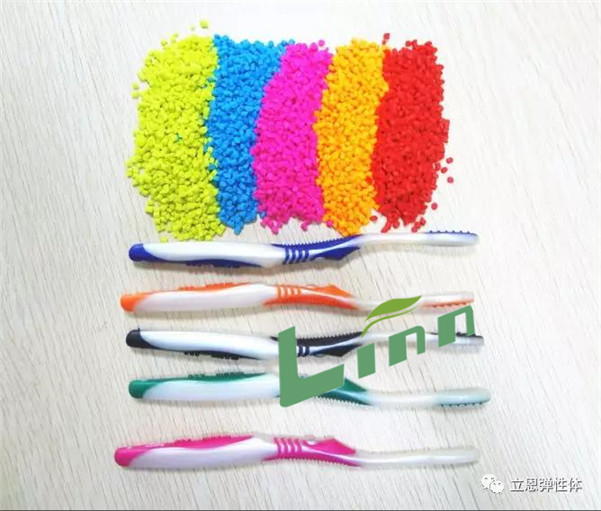
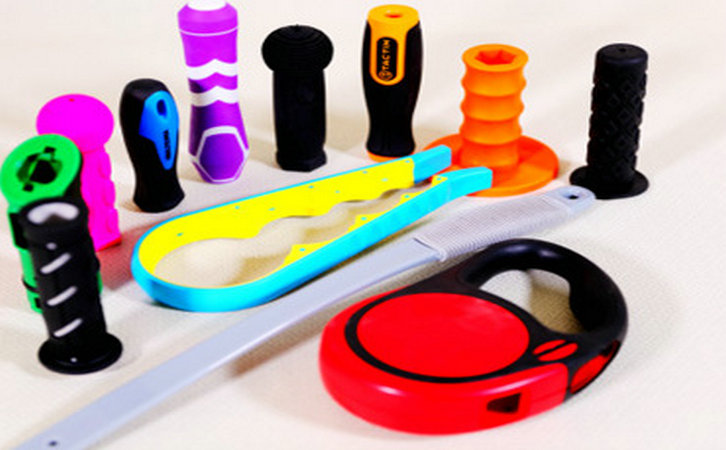
If you’ve ever worked with thermoplastic elastomer (TPE) overmolding, you know it’s both a game-changer and a headache. The ability to bond TPE’s soft, grippy texture onto rigid substrates like PP, ABS, or PC creates products with incredible tactile appeal—think ergonomic tool handles, sleek phone cases, or comfy toothbrush grips. But there’s a catch: TPE

How to Solve TPE Overmolding Sticking to the Front Mold? Read More »

How Are TPE Toys Made?

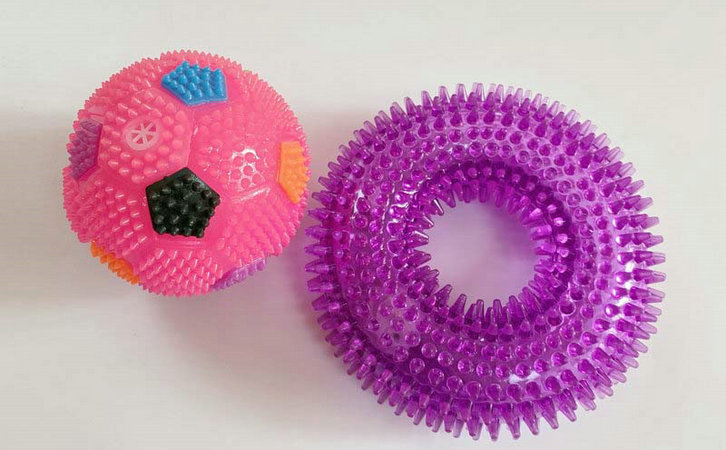
Walking through a toy store, you’ve probably noticed those squishy, colorful toys that kids can’t seem to put down—think soft squeeze balls, bendy action figures, or teething rings. Many of these are made from thermoplastic elastomers (TPE), a material I’ve worked with for years in the toy manufacturing industry. TPE’s softness, safety, and versatility make

How Are TPE Toys Made? Read More »

How to Eliminate Glossy Marks on TPE Injection Molded Products?

There’s a moment in every injection molder’s life when you pull a TPE (Thermoplastic Elastomer) part from the mold, expecting perfection, only to spot those frustrating glossy marks—shiny, uneven patches that scream imperfection. I’ve been there, holding a TPE grip or seal under the shop lights, wondering why these glossy streaks are ruining an otherwise

How to Eliminate Glossy Marks on TPE Injection Molded Products? Read More »

How to Set the Molding Temperature for 70 Shore A TPE?

There’s something deeply satisfying about dialing in the perfect settings on an injection molding machine, watching TPE (Thermoplastic Elastomer) parts come out smooth, strong, and just right. But when it comes to 70 Shore A TPE—a versatile material used in everything from grips to seals—getting the molding temperature right can feel like a high-stakes balancing

How to Set the Molding Temperature for 70 Shore A TPE? Read More »