How to Improve the Flowability of TPE Raw Material for Plug Manufacturing?

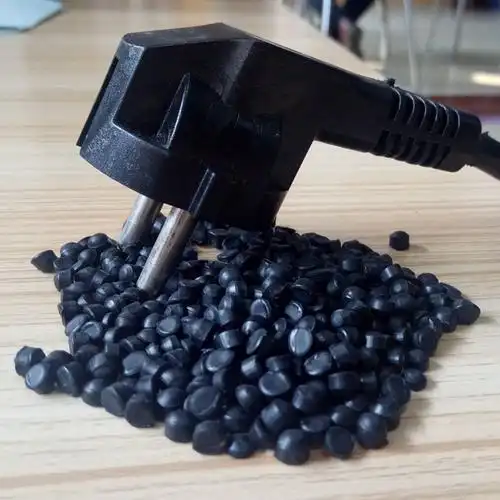
As someone who’s been immersed in the plastics industry for over a decade, working with manufacturers to produce everything from medical devices to consumer electronics, I’ve spent a lot of time fine-tuning the use of thermoplastic elastomers (TPEs). TPEs are a fantastic choice for plug manufacturing due to their flexibility, durability, and ability to form […]

How to Improve the Flowability of TPE Raw Material for Plug Manufacturing? Read More »

What Is the Injection Molding Process for TPE Materials?

Having spent over a decade in the plastics manufacturing industry, I’ve worked extensively with thermoplastic elastomers (TPEs), a versatile material that combines the flexibility of rubber with the processability of plastics. TPEs are a go-to choice for products like soft-touch grips, medical devices, and automotive components due to their elasticity, durability, and ease of customization.

What Is the Injection Molding Process for TPE Materials? Read More »

Why Does TPR Soft Rubber Have a Pungent Odor?

Having worked in the materials industry for over a decade, I’ve handled countless polymers, from rigid plastics to flexible rubbers like TPR (thermoplastic rubber). One question that keeps cropping up, especially from manufacturers, designers, and end-users, is why TPR sometimes gives off a sharp, unpleasant smell. If you’ve ever opened a package containing a TPR

Why Does TPR Soft Rubber Have a Pungent Odor? Read More »

Is TPR Material Very Hard and Heavy?

As a polymer specialist who’s spent years working with manufacturers to select the right materials for their products, I’ve often encountered questions about TPR (Thermoplastic Rubber) and its properties. One common concern I hear, especially from designers and small business owners, is whether TPR is a hard and heavy material. It’s a fair question—nobody wants

Is TPR Material Very Hard and Heavy? Read More »

Does TPR Material Deform Easily?

As a materials consultant with years of experience guiding manufacturers through the complexities of polymer selection, I’ve fielded countless questions about TPR (Thermoplastic Rubber) and its performance in various applications. One concern that comes up often, especially from designers and product developers, is whether TPR is prone to deformation. It’s a valid worry—nobody wants their

Does TPR Material Deform Easily? Read More »

Is TPR the Same as Polyurethane Material?

As a polymer scientist who’s spent years helping manufacturers select the right materials for their products, I’ve often encountered questions about the differences between specific materials like TPR (Thermoplastic Rubber) and polyurethane. The confusion is understandable—both materials are flexible, durable, and widely used in everything from shoe soles to industrial components. But are they the

Is TPR the Same as Polyurethane Material? Read More »

Is an Elastomer the Same as TPR?

As a materials engineer with over a decade of experience in polymer applications, I’ve often been asked to clarify the nuances between different types of materials, especially when it comes to elastomers and specific compounds like TPR (Thermoplastic Rubber). This question—whether an elastomer is the same as TPR—comes up frequently in industries ranging from manufacturing

Is an Elastomer the Same as TPR? Read More »