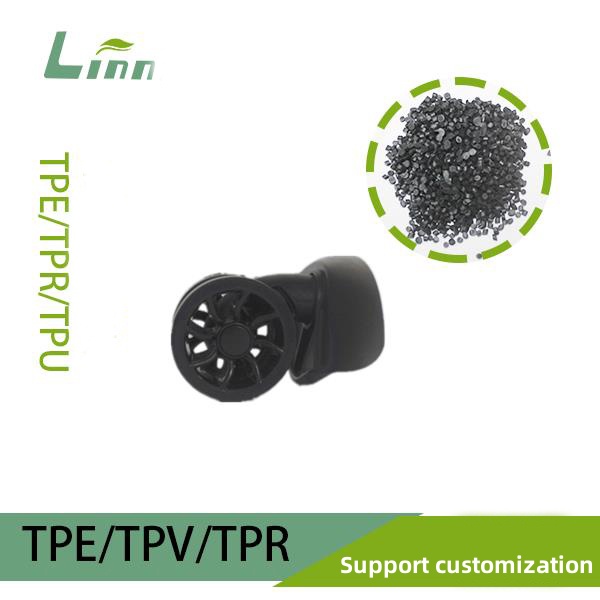
How Are TPE Sealing Rings Made?

As someone who has been immersed in the rubber sealing materials industry for years, I’m well aware of the widespread use of TPE (Thermoplastic Elastomer) sealing rings in fields like industrial manufacturing, automotive, and medical devices. Whenever I hear the question, “How are TPE sealing rings made?” I sense the curiosity and practical needs behind […]

How Are TPE Sealing Rings Made? Read More »
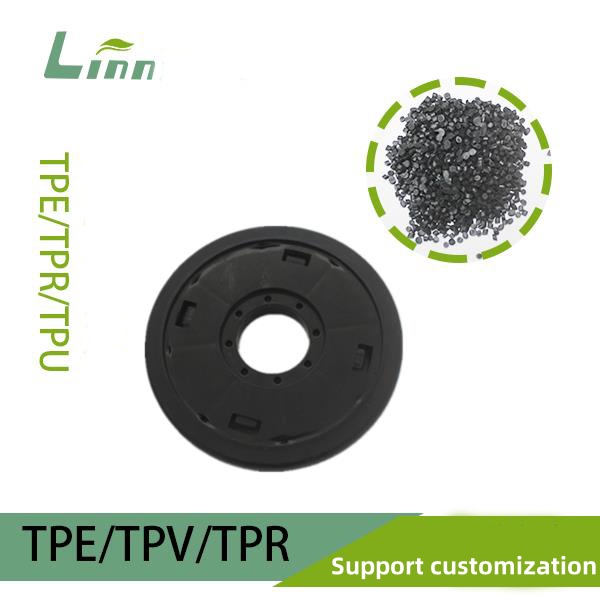
How to Distinguish Colored Silicone and TPE Products?

As someone who has been deeply involved in the rubber and plastics industry for years, I understand the critical importance of choosing the right material for product quality and user experience. When it comes to colored silicone and TPE (thermoplastic elastomer) products, distinguishing between them can be a real challenge. These two materials share similarities

How to Distinguish Colored Silicone and TPE Products? Read More »

How to Handle Flow Marks on TPE Soft Gel Surfaces?

With over fifteen years in materials science, I’ve tackled flow marks—wavy streaks or ripples—on TPE (Thermoplastic Elastomer) parts like grips, seals, and cases. These surface defects can ruin aesthetics and signal process issues. This guide shares my proven fixes, from quick tweaks to technical solutions, to help you achieve smooth, streak-free TPE surfaces. What Are

How to Handle Flow Marks on TPE Soft Gel Surfaces? Read More »

How to Distinguish Between TPE and PVC Materials?

As a materials expert with over a decade of experience, I’ve learned the importance of accurately identifying polymers like TPE (Thermoplastic Elastomer) and PVC (Polyvinyl Chloride). Mistaking one for the other can lead to performance issues, regulatory violations, or costly production errors. This guide shares practical and technical methods to differentiate TPE and PVC, drawn

How to Distinguish Between TPE and PVC Materials? Read More »

How to Reprocess TPE Soft Rubber After Crushing?

As someone who has been in the plastics processing industry for years, I deeply understand the importance of TPE (Thermoplastic Elastomer) soft rubber in injection molding. TPE’s excellent elasticity and eco-friendly properties make it widely used in toys, medical devices, automotive parts, and more. However, waste generation during production is inevitable. Knowing how to crush

How to Reprocess TPE Soft Rubber After Crushing? Read More »

How to Bond TPE (Thermoplastic Elastomer)?

As someone who’s been in the materials processing industry for years, I’ve seen TPE (thermoplastic elastomer) used in countless products, from soft toothbrush handles to durable automotive seals. Its versatility is unmatched, but bonding TPE can be a real headache for engineers and manufacturers. Poor bonding can lead to cracking, detachment, or compromised product performance.

How to Bond TPE (Thermoplastic Elastomer)? Read More »

How to Adjust the Hardness of TPE Overmolded onto Nylon?

As someone who’s been deeply involved in the field of TPE (Thermoplastic Elastomer) overmolding onto nylon for years, I know firsthand how tricky hardness adjustment can be. You want a softer touch, but you worry about wear resistance. You aim for high rigidity, but then face issues like delamination or cracking. After countless production runs

How to Adjust the Hardness of TPE Overmolded onto Nylon? Read More »