Why Do TPE Injection-Molded Parts Have Gate Voids?

As someone who’s spent over a decade in the plastics and injection molding industry, I’ve seen my fair share of manufacturing headaches. One issue that keeps cropping up, especially when working with TPE (Thermoplastic Elastomer), is the frustrating problem of gate voids—those pesky cavities or hollow spots near the gate of injection-molded parts. Whether you’re […]

Why Do TPE Injection-Molded Parts Have Gate Voids? Read More »
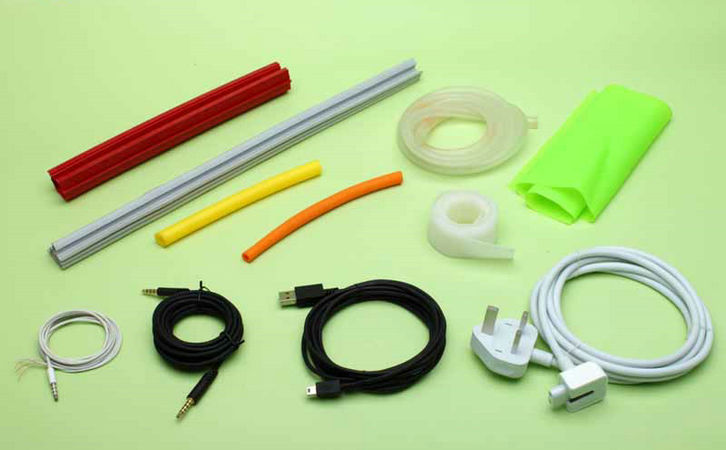
Why Choose TPE Sealing Strips?

When I first started working in the materials and manufacturing industry, I was fascinated by how something as seemingly simple as a sealing strip could make or break the performance of a product. Over the years, I’ve seen countless applications— from car windows to refrigerator doors to industrial machinery—where the choice of sealing material was

Why Choose TPE Sealing Strips? Read More »

What to Do When TPE Doesn’t Bond Well with Nylon?

Having spent years working in the field of thermoplastic elastomer (TPE) and engineering plastics composite processing, I’ve encountered my fair share of challenges, and one of the most persistent is poor adhesion between TPE and nylon. Whether you’re producing dual-material injection-molded parts or developing soft-hard composite products, weak bonding can lead to delamination, peeling, or

What to Do When TPE Doesn’t Bond Well with Nylon? Read More »

What to Do About Shrinkage in TPE Products? Expert Solutions to Your Problems

As someone who has been deeply involved in the research, development, and application of TPE (Thermoplastic Elastomer) materials for years, I understand the challenges that come with manufacturing TPE products. One of the most common and frustrating issues is product shrinkage. Whether you’re a novice engineer or a seasoned professional, dealing with shrinkage can feel

What to Do About Shrinkage in TPE Products? Expert Solutions to Your Problems Read More »